The NMH eLearning Hub
eLearning modules and antenatal classes supporting pregnancy, birth, and early parenting education and preparation.

Supporting you every step of the way
This module aims to empower you to prepare for, and navigate the physical and emotional challenges of labour. It is designed to complement the information you receive from your caregiver and your antenatal education classes.
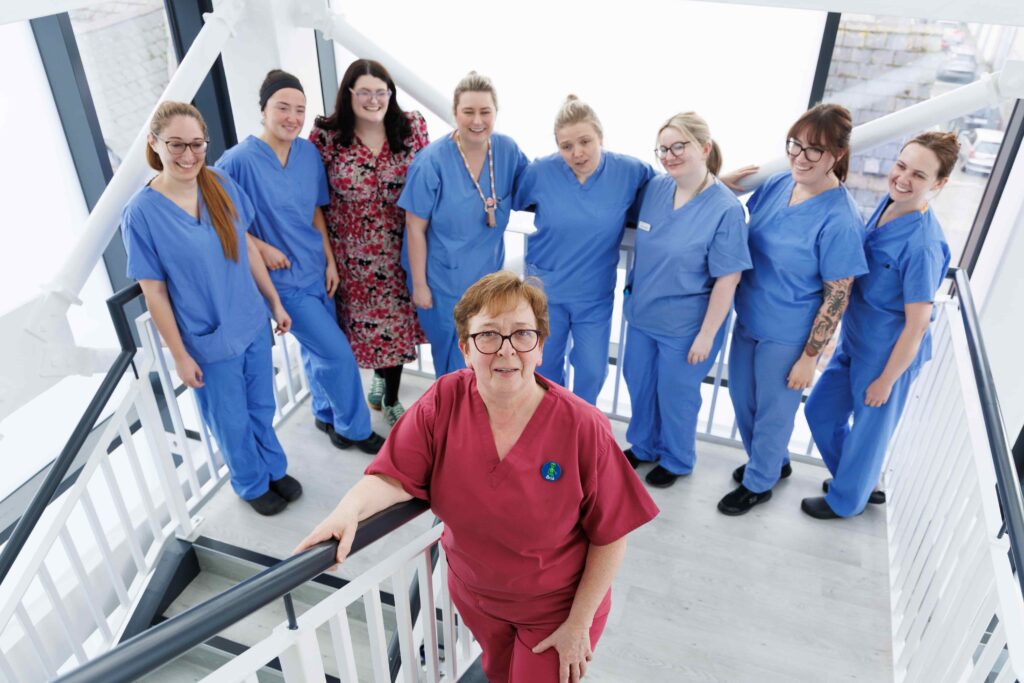
Every woman and every pregnancy is different – and your birth is a truly special, unique experience. You’ll be supported with personalised, one-to-one care from our experienced midwives, who will gently guide and reassure you through labour and the birth of your baby, with obstetric care available if needed.
Our Labour and Birthing Unit has fourteen welcoming birthing rooms – twelve with their own en-suite showers – each thoughtfully equipped with birthing aids to support and enhance your experience. You may also choose to use our large deep pool, whether for labour or for the birth of your baby.
You can gently prepare yourself for labour – both physically and emotionally – as you get ready to meet your baby. Nourish your body with healthy food, stay active, and practise breathing and birth positions. From 34 weeks, daily perineal massage can help.
Take time to talk with your partner about your wishes, feel confident sharing them, and discuss any worries in advance. Most importantly – believe in yourself and your ability to do this.
You might find gentle movements like squatting, walking along a kerb, or spending time on all fours helpful as your body prepares for labour. Some women also choose complementary supports such as acupuncture or homeopathic remedies. Surround yourself with positive thoughts about your birth – and trust in your strength as you approach this moment.
Contractions:
As labour begins, you may notice contractions that build in a steady rhythm, rising to a peak and then easing away. This is the clearest sign that labour may be starting. When they are coming every 3 to 4 minutes and lasting 40 to 60 seconds, you are likely in established labour. Remember to rest and relax your body in between.
Waters break:
If your waters break, it’s important to come into the hospital so we can confirm this, check your baby’s heartbeat, and plan your care with you. You may feel a gush or a steady leak of fluid, so wearing a pad can help. The fluid may be clear, slightly green (meconium), or blood-stained. If it is green or heavily blood-stained, you will need to stay in hospital for monitoring until your baby is born.
You can learn more about the stages of labour in our eLearning Hub – simply click here to access it.
These early signs may mean labour is beginning, but sometimes they settle and you may remain pregnant a little longer. Try not to become overtired in the early stages – rest is important. If you have period-like pains, a warm bath and some time lying down can help. Even if you don’t sleep, simply relaxing or listening to music may make a real difference later on.
Pre Labour
Pre‑labour is when your cervix gently softens and thins – if this is your first baby, this can take time as your body is doing this for the first time. This stage can feel like the hardest work and may last hours or even a few days. Contractions may be mild, like cramps or pressure, coming every 5–30 minutes and lasting 15–30 seconds.
Try to rest and conserve your energy during this phase. If you’ve had a baby before, labour often moves more quickly – you may wish to come to hospital when contractions are every 5 minutes.
First Stage
This stage, often called active or established labour, is when your cervix has fully thinned and begins to open. It gradually dilates from 1 cm to 10 cm, allowing your baby to be born. This stage can take 6 to 12 hours and is very much an endurance journey – drawing on your strength, focus, and ability to relax.
At The National Maternity Hospital, we are here to support your needs and choices, guiding you safely and individually every step of the way.
Second Stage
This stage is the time from when you are fully dilated to the birth of your baby. It can last up to two hours, especially if this is your first baby, giving your baby time to move down through the birth canal. You will likely feel a strong urge to push and a sense of increasing pressure.
Your midwife will be by your side, supporting this natural process with gentle guidance and encouragement when needed. Throughout this stage, both you and your baby will be carefully monitored. If your pregnancy has been straightforward, we will usually listen to your baby’s heartbeat every 15 minutes using a doptone. In some situations, where extra support is needed, continuous monitoring with a CTG machine may be recommended to closely watch your baby’s wellbeing.
Third Stage
This stage is from the birth of your baby until your placenta separates and is delivered. There are two ways this can be managed, and we will support you in choosing what feels right for you.
With active management, you will be offered an injection (Syntometrine or Oxytocin) shortly after your baby is born. This helps the placenta separate from the womb and reduces blood loss.
With physiological management, if your labour has been straightforward and there are no concerns, no injection is given. Your body is given time to deliver the placenta naturally, supported by your own efforts, with your midwife gently guiding you along the way.
You don’t need to call ahead if you think you’re coming in for labour – you can come directly to the hospital. However, if you’d like advice or if any of the following happen, please feel free to call us on (01) 637 3100 and speak with a midwife:
We’re always here to support and guide you, so please don’t hesitate to get in touch if you’re unsure.
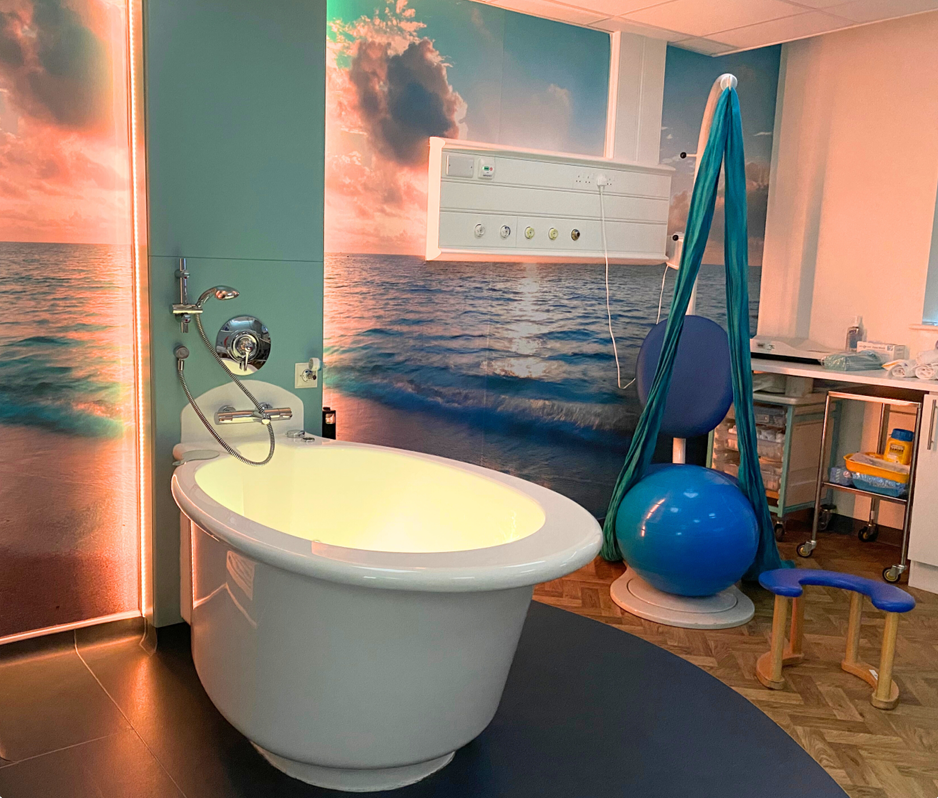
We’re pleased to offer water birth and water immersion during labour for women who are suitable for this option.
In our Labour and Birthing Unit, there is a large deep pool available for you to use – whether during labour or for the birth of your baby. For more details, we encourage you to read our Birthing Pool for Labour and Birth Information Booklet.
Contact the Labour Ward / Assessment Unit if you think you may be in labour or need advice about whether to come into hospital for assessment.
Labour Ward / Assessment Unit
Phone